Own the Game — invest, buy, partner or JV in golf. Get the guide
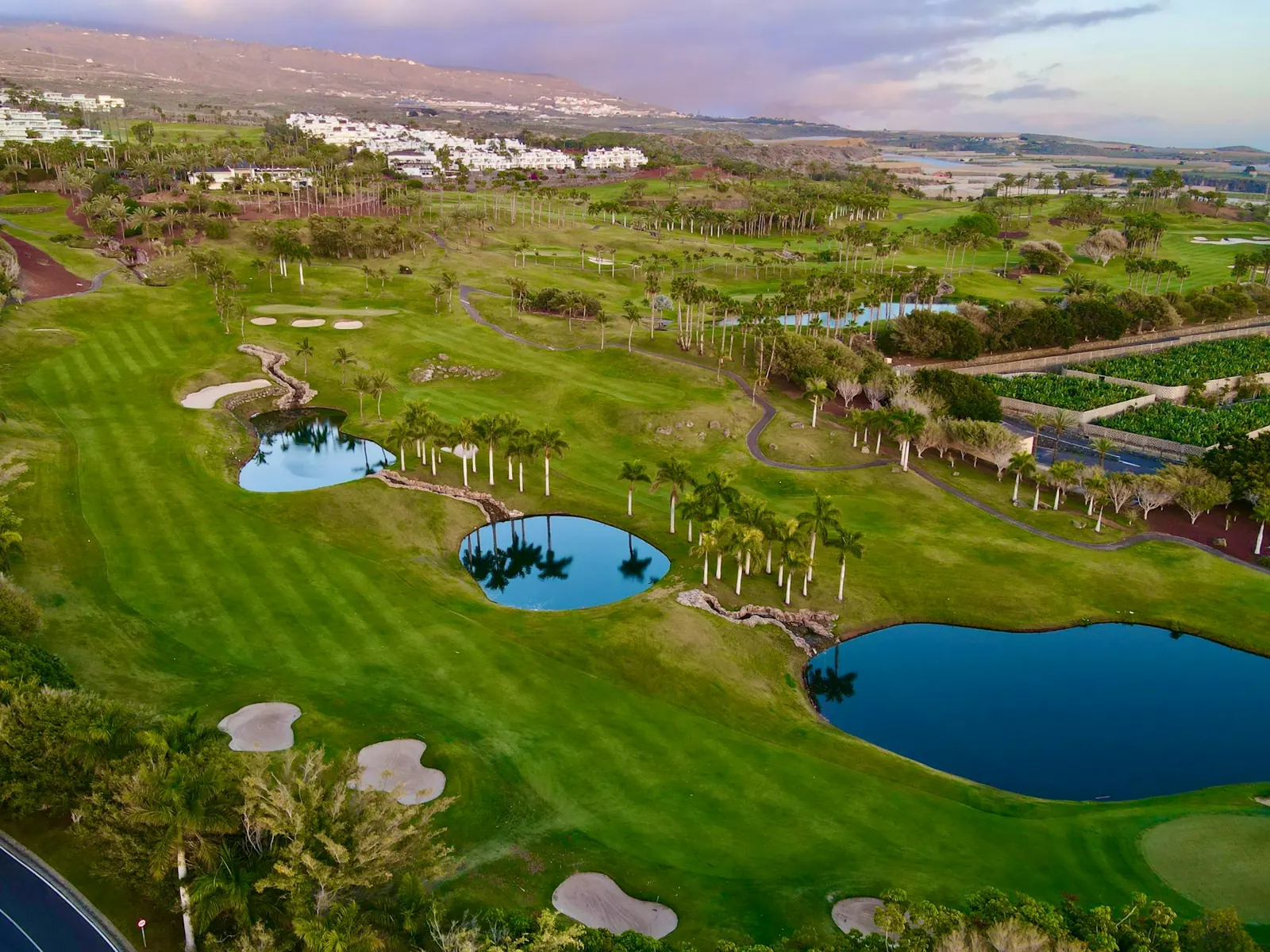
Aerial view of a golf course with palm trees and ponds

Own the Game · golf, always on

Own the Game: invest, buy or partner in the golf industry

Opportunities to invest in, buy, partner or joint-venture in golf-industry verticals. We have partners and dozens of verticals looking for investors, owners and operators — get the free Own the Game Guide.

  • ✓Invest. Passive capital alongside experienced operators.
  • ✓Buy. Acquire an existing golf business or a territory.
  • ✓Partner or JV. Bring capital, land, skills or a location to a joint venture.
  • ✓Operate. Work in the business as an owner-operator.

Not an offer of securities. Own the Game is educational information about types of businesses in and around the golf industry. Nothing here is an offer to sell, or a solicitation of an offer to buy, any security, franchise or business, and nothing here is investment, legal or tax advice. Capital ranges are broad, general industry ranges for orientation only — actual costs vary widely. Any opportunity is subject to its own documents, due diligence and applicable law. Consult your own licensed advisors.

Free guide · step 1 of 4

Get the Own the Game Guide

  1. You
  2. Mailing address
  3. Your goals
  4. Download

Not an offer of securities. Educational information only. We never sell your information. Protected by reCAPTCHA — Google Privacy and Terms apply.

The opportunity

Golf is more than a game — it's dozens of businesses

Every round, every simulator hour, every roll of sod and every mowed fairway is a business someone owns. Own the Game introduces investors, owners and operators to partners across the industry — from land-backed courses and sod farms to fast-growing indoor golf, golf cafés, robotic mowing and golf technology.

Passive investment

Provide capital; an experienced operator runs the business. Suits courses, real estate, technology and multi-unit concepts.

Active ownership

Own it and steer it — set strategy, hire the team, grow the brand, with a general manager on site.

Work in the business

Owner-operators who want to run a simulator studio, range, fitting shop, academy or golf café themselves.

Play

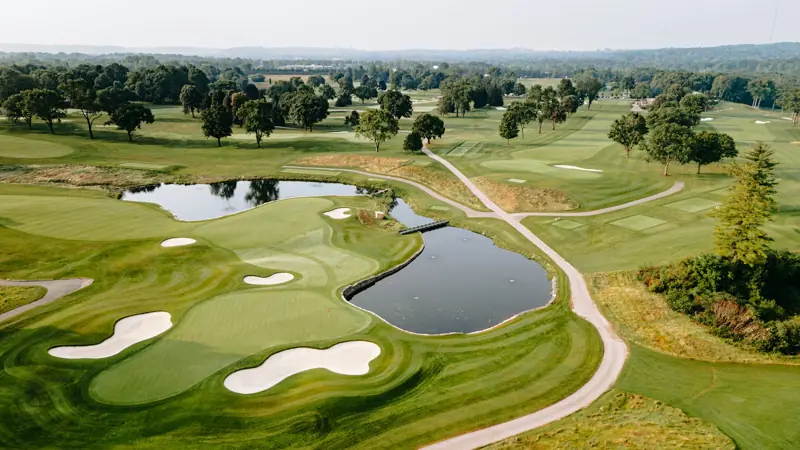
Aerial view of a golf course winding through trees

Golf courses

Owning or co-owning an 18-hole, 9-hole or executive course — public daily-fee, semi-private or municipal under a management lease.

Business model:
Green fees, cart fees, memberships and season passes, outings and tournaments, range and lessons, food and beverage, and pro-shop sales. Land value sits underneath the operating business.
General capital range:
Roughly $1M–$15M+ to acquire an existing course; land, condition, rounds played and water rights drive the spread.
Fit:
Passive · Active · Owner-operator — Passive through a partnership or fund with a professional management company; active as a hands-on owner-operator.
Public daily-feeExecutive and par-3Municipal management leasesCourse renovation / value-add
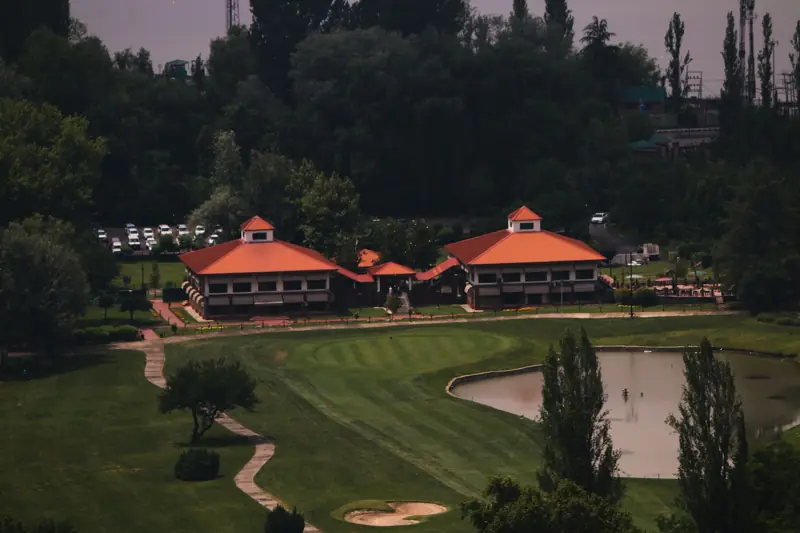
Golf course with clubhouse buildings and a pond

Private & country clubs

Member-owned or privately owned clubs combining golf with dining, racquet sports, pools, fitness and social events.

Business model:
Initiation fees, monthly dues, food-and-beverage minimums, events and weddings, guest fees and capital assessments.
General capital range:
Roughly $3M–$30M+ for acquisition or recapitalization; member-owned clubs may need restructuring before any outside investment.
Fit:
Passive · Active — Usually a passive investment alongside a club-management operator; governance matters as much as the capital.
Club recapitalizationLifestyle and social clubsClub management services
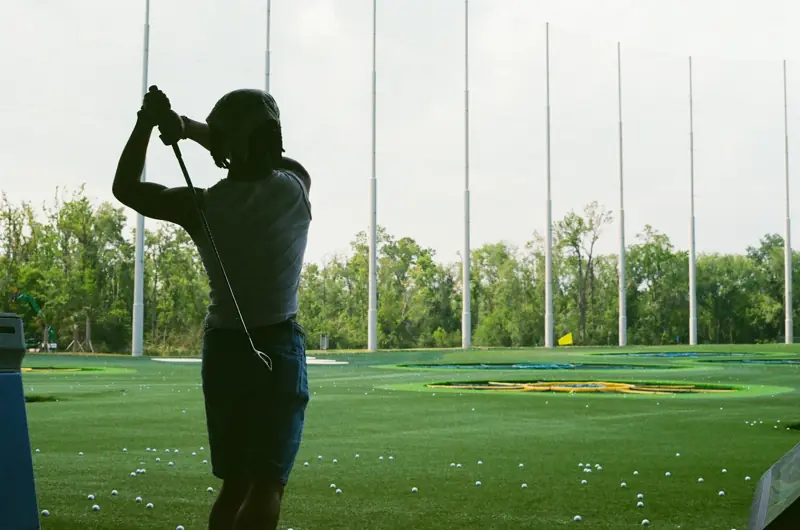
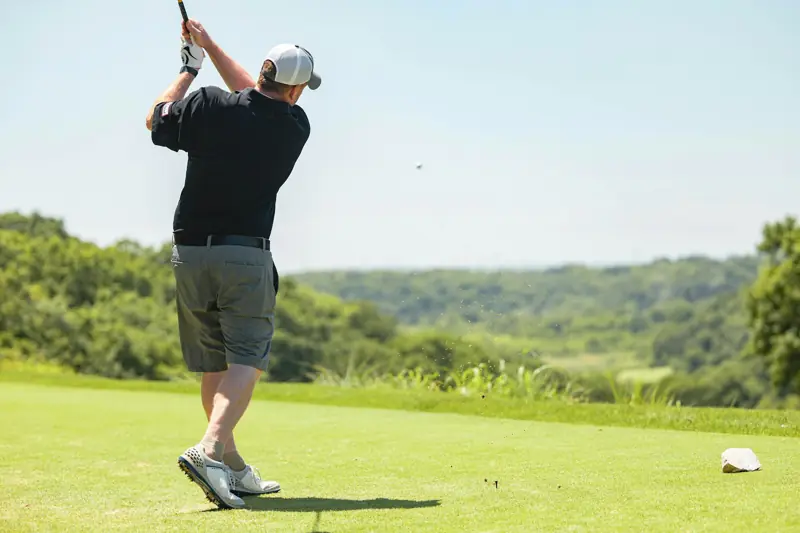
Golfer swinging at a driving range

Driving ranges & practice facilities

Stand-alone ranges, covered and heated bays, short-game areas and practice centers — often the busiest acreage in golf per square foot.

Business model:
Ball sales by bucket or by time, bay rentals, memberships, lessons, junior programs, leagues and a small retail counter.
General capital range:
Roughly $500K–$5M depending on land, lighting, netting, bay structures and ball-tracking technology.
Fit:
Active · Owner-operator · Semi-passive — Strong owner-operator business; semi-passive with a good general manager and membership base.
Covered and heated baysBall-tracking rangesShort-game and putting academiesSeasonal dome ranges
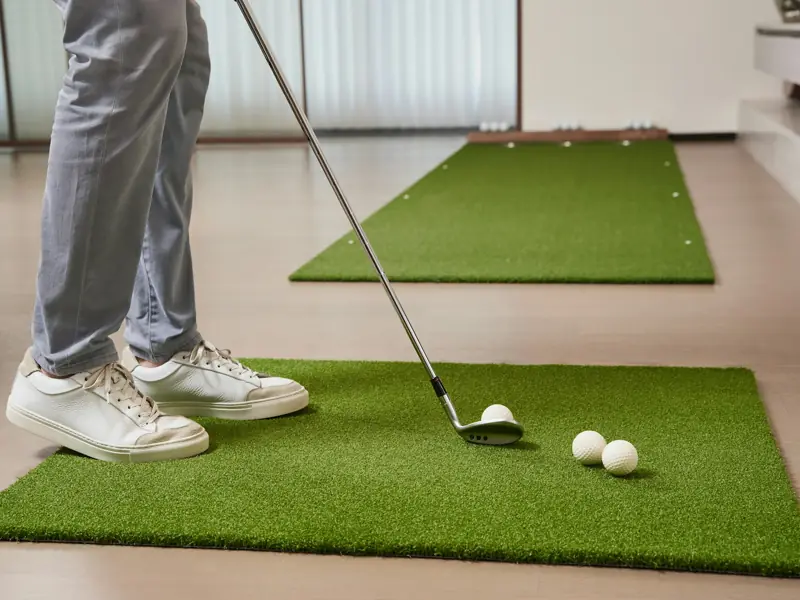
Golfer practicing a swing indoors on a mat

Indoor golf simulators & golf lounges

Climate-proof golf: simulator bays in retail or flex space where people play famous-style courses, practice, take lessons and join leagues year-round.

Business model:
Hourly bay rental, memberships, leagues, lessons and club fitting, private events, and food and drink where licensed.
General capital range:
Roughly $250K–$2M for a multi-bay venue (build-out, simulators, launch monitors, furniture); franchised versions add a franchise fee and royalty.
Fit:
Active · Semi-passive · Owner-operator — Can run semi-passive with keyless 24/7 access and a manager; hospitality-heavy versions are active businesses.
24/7 membership studiosSimulator lounges with food and drinkCorporate and event venuesHome-simulator installation

Hospitality & entertainment

People inside a café

Golf cafés, bars & social venues

Coffee, food and drinks with golf on the screen and in the room — putting greens, a simulator or two, and a clubhouse atmosphere without the course.

Business model:
Food and beverage margins, bay or green rental, watch parties, leagues, private events and merchandise.
General capital range:
Roughly $300K–$2.5M depending on kitchen, liquor licensing and the size of the golf element.
Fit:
Active · Owner-operator — A restaurant business first — best for operators with hospitality experience or a strong operating partner.
Golf coffee housesGolf-themed sports barsClubhouse-style lounges
Putting on a miniature golf course

Mini, adventure & entertainment golf

Family and social golf — themed mini-golf, adventure courses, glow and indoor putting, and large-format target-golf entertainment venues.

Business model:
Per-player admissions, birthday parties and groups, food and drink, arcades and add-ons; big-box venues add bay rental and corporate events.
General capital range:
Roughly $150K–$1.5M for mini and indoor putting; $10M–$40M+ for large target-golf entertainment venues.
Fit:
Active · Owner-operator · Passive — Mini-golf suits owner-operators; large venues are typically passive investments in a developer-led project.
Themed outdoor mini-golfIndoor and glow puttingTarget-golf entertainmentPop-up and mobile putting
Two business people shaking hands across a table

Golf franchising

Owning one or more units of a franchised golf concept — simulator studios, junior programs, club fitting, mobile services — or building a franchise system.

Business model:
Unit-level revenue for franchisees; franchise fees and royalties for franchisors.
General capital range:
Roughly $100K–$1.5M per unit including franchise fee, build-out and working capital.
Fit:
Semi-passive · Active · Owner-operator — Multi-unit owners often run semi-passive with managers; single units are typically owner-operated.
Multi-unit simulator studiosJunior golf programsMobile golf services
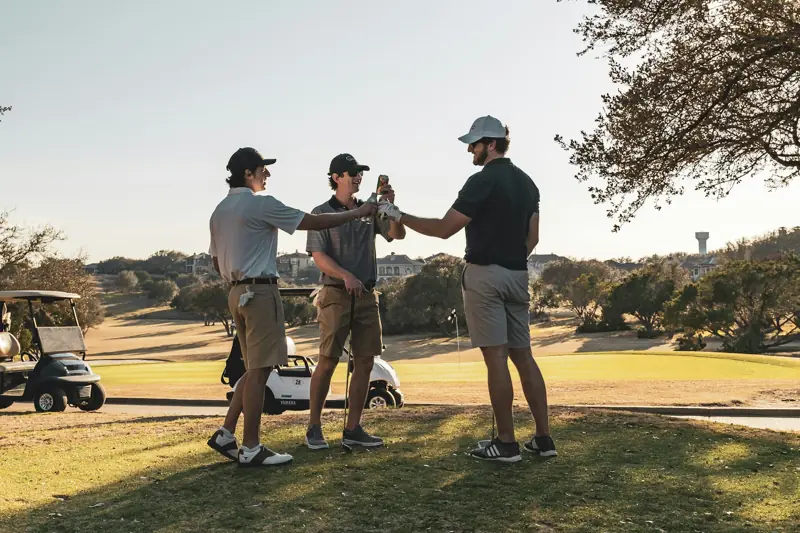
Golfers raising a toast on a sunny course

Food, beverage & services at the course

Concessions and services that live inside existing facilities — clubhouse restaurants, beverage carts, caddie and staffing services, club storage, cleaning and photography.

Business model:
Concession agreements and revenue shares, service fees and staffing contracts.
General capital range:
Roughly $25K–$750K depending on kitchen and equipment.
Fit:
Active · Owner-operator — Hands-on service businesses that grow by adding facilities.
Clubhouse food concessionsCaddie and staffing servicesEvent photography and media

Retail & performance

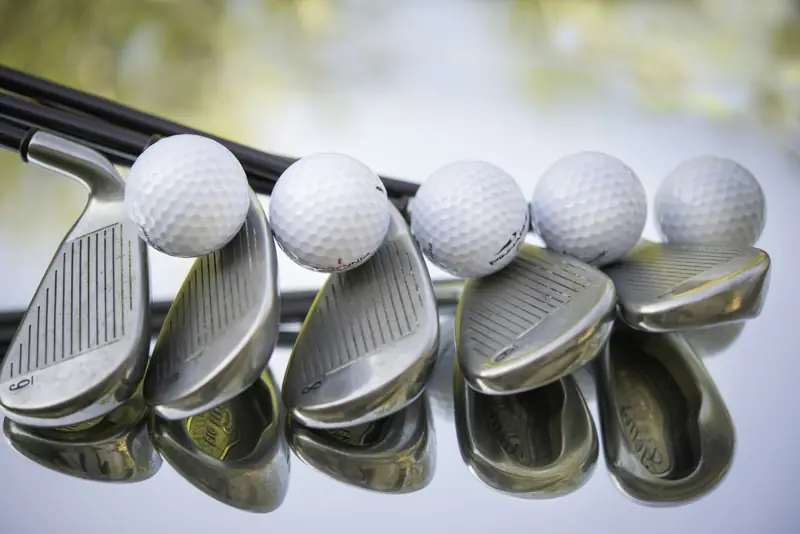
Golf balls and irons on a shop rack

Pro shops & golf retail

On-course pro shops, off-course golf stores, used and trade-in club resellers, and online golf retail.

Business model:
Product margin on clubs, balls, bags, apparel and accessories; trade-ins and used equipment; special orders and fitting fees.
General capital range:
Roughly $100K–$1.5M (inventory is the big line); online-first models start smaller.
Fit:
Active · Owner-operator — Inventory management makes this an active business.
Used and certified pre-owned clubsCourse pro-shop concessionsOnline golf retail
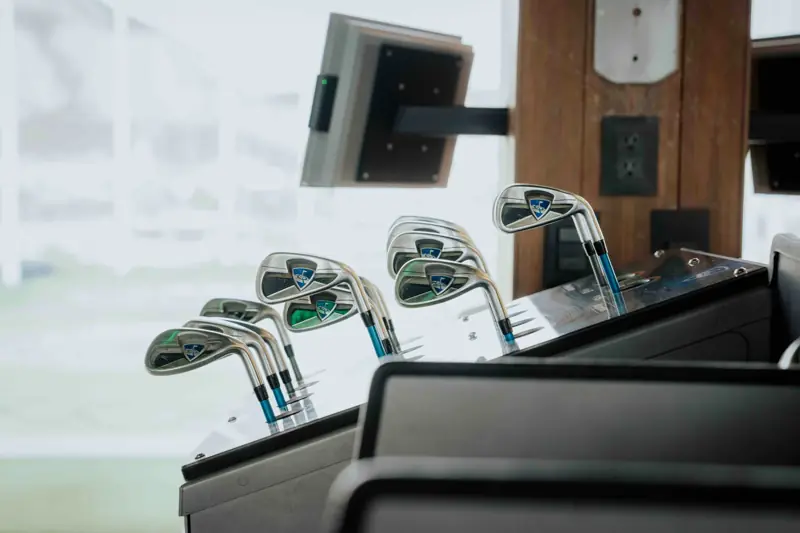
Golf clubs resting in a display

Club fitting & club building

Data-driven fitting studios and club-building shops that match shafts, heads, lofts and grips to a golfer's swing.

Business model:
Fitting fees, club and component sales, regripping and repairs, and partnerships with ranges and simulator venues.
General capital range:
Roughly $75K–$750K for launch monitors, a hitting bay, a component wall and a workshop.
Fit:
Owner-operator · Active — Skills-based — ideal for a fitter-owner or an investor backing one.
Fitting studiosPutter fittingRepair and regrip shopsMobile fitting vans
A golfer setting up to a shot on the course

Instruction, academies & junior golf

Coaching businesses — private lessons, multi-coach academies, junior programs, camps, and online instruction.

Business model:
Lesson packages and memberships, camps and clinics, school and club contracts, online subscriptions.
General capital range:
Roughly $25K–$500K; lean when renting bay time, more for a dedicated performance center.
Fit:
Owner-operator · Active · Semi-passive — An investor can own the academy platform while certified coaches deliver the lessons.
Junior development programsWomen's and beginner clinicsPerformance centersOnline coaching
Golfer in polo and shorts holding a club

Golf apparel & accessories

Direct-to-consumer apparel, headwear, gloves, bags, towels, custom logo goods and tournament merchandise.

Business model:
Product margin online and wholesale, corporate and tournament custom orders, pro-shop placement.
General capital range:
Roughly $50K–$1M for inventory, design and marketing.
Fit:
Active · Owner-operator — Brand-building is active work; corporate custom goods can be steady repeat revenue.
Direct-to-consumer apparelCustom corporate and tournament goodsAccessories and headwear

Turf, land & maintenance

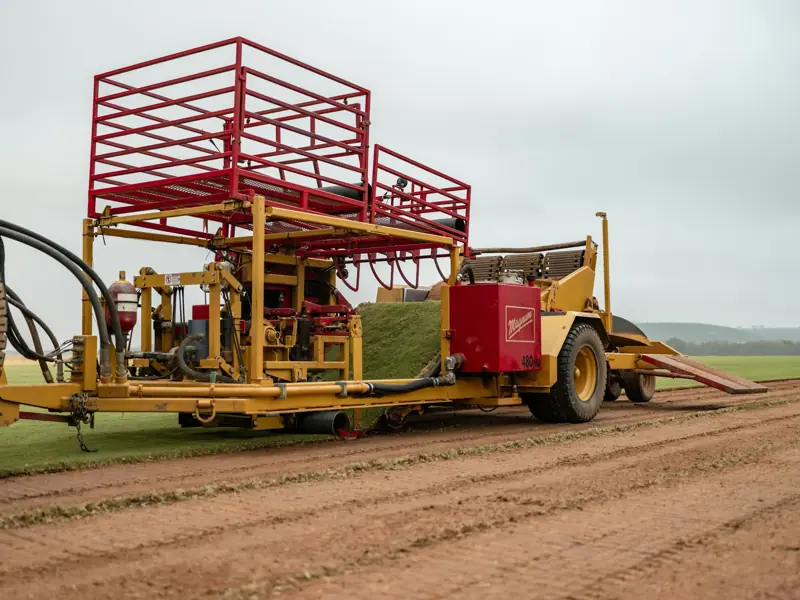
A harvester cutting sod in a field

Turfgrass, sod & seed

Sod farms and turfgrass producers that grow the playing surfaces golf courses, sports fields and homes depend on.

Business model:
Sod and sprig sales by the square foot, seed, installation and contract growing for courses and sports fields.
General capital range:
Roughly $1M–$10M+ for land, irrigation, harvesters and trucks.
Fit:
Passive · Active — Land-backed and agricultural — suits patient capital paired with an experienced grower.
Golf-grade bentgrass and bermudagrassSports-field turfSprigging and renovation services
Aerial view of a mower striping a sports turf field

Course maintenance & agronomy services

Contract maintenance, agronomy consulting, irrigation, bunker and drainage work for courses, clubs and resorts.

Business model:
Multi-year maintenance contracts, project work (renovations, bunkers, drainage), irrigation installs and service agreements.
General capital range:
Roughly $250K–$3M for equipment fleets, trucks and working capital.
Fit:
Active · Owner-operator · Semi-passive — Recurring contract revenue; semi-passive with a strong superintendent-level operator.
Contract course maintenanceIrrigation and water managementBunker and drainage renovationAgronomy consulting

Technology & equipment

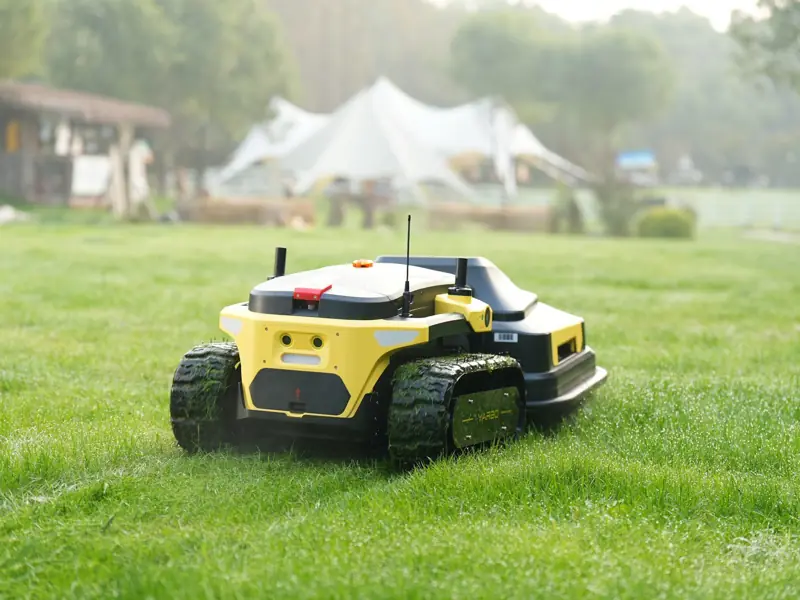
Robot lawnmower cutting grass

Robotic mowers & autonomous turf tech

Autonomous mowers, robotic ball pickers, GPS line-markers and sensor networks that cut labor and fuel on fairways, ranges and sports fields.

Business model:
Robotics-as-a-service subscriptions, equipment sales and leasing, dealer territories, install and service contracts.
General capital range:
Roughly $100K–$2M for a dealer or service territory; venture-stage technology companies raise far more.
Fit:
Semi-passive · Active · Passive — Territory and service models suit operators; early-stage technology suits passive, risk-tolerant capital.
Robotic range ball collectionAutonomous fairway and rough mowingTurf sensors and smart irrigationRobotics-as-a-service
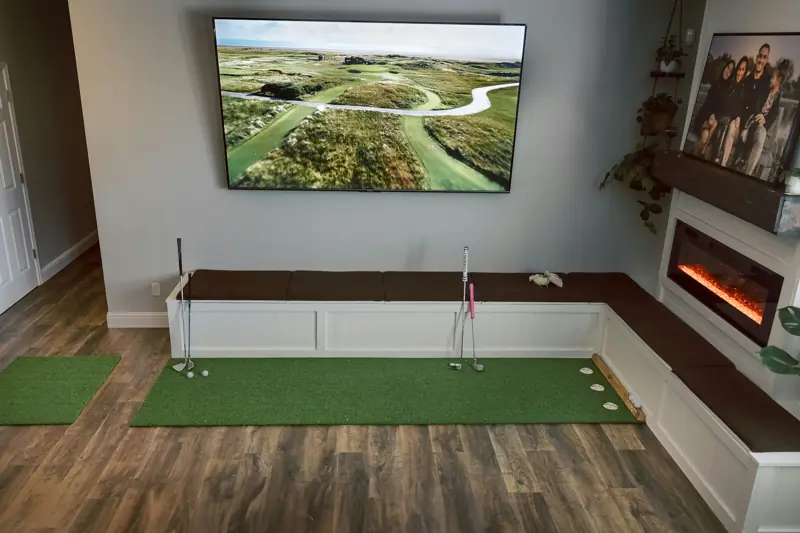
Indoor putting green with golf on a screen

Golf technology, apps & launch monitors

Software and hardware for golfers and operators — tee-sheet and booking software, GPS and scoring apps, swing analysis, launch monitors and simulator software.

Business model:
Subscriptions (SaaS), hardware margins, transaction fees, data and advertising.
General capital range:
Roughly $50K–$5M+ depending on stage; most deals are minority equity in a growing company.
Fit:
Passive · Semi-passive — Usually passive equity — investors bring capital and distribution relationships.
Course operations softwarePlayer apps and handicapsSwing and putting analyticsSimulator content
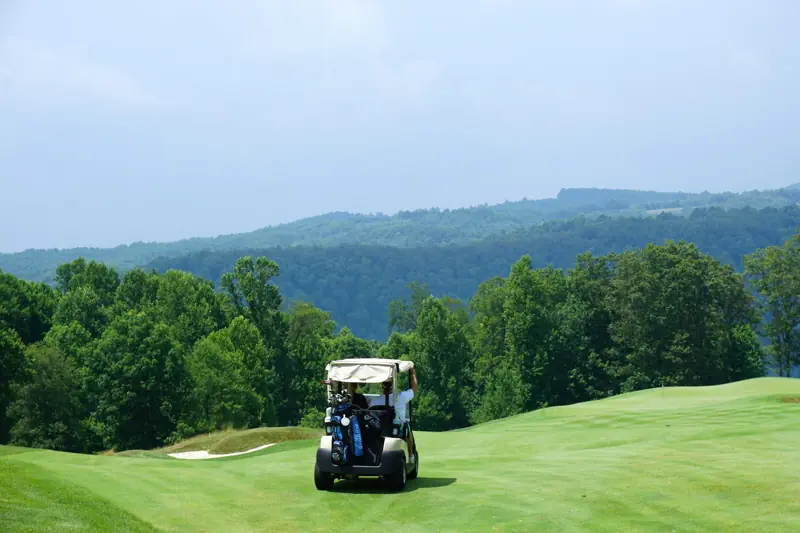
Two golfers riding a white golf cart

Golf carts, EVs & personal transport

Fleet leasing to courses, street-legal low-speed vehicle dealerships, rentals in resort and golf communities, and battery upgrades.

Business model:
Fleet leases, unit sales, rentals, service and parts, lithium battery conversions and accessories.
General capital range:
Roughly $250K–$3M for a dealership or rental fleet with service bays.
Fit:
Active · Owner-operator · Semi-passive — A dealership is active; rental fleets in golf communities can be semi-passive.
Course fleet leasingLow-speed vehicle dealershipsResort and community rentalsBattery conversions

Events, travel & real estate

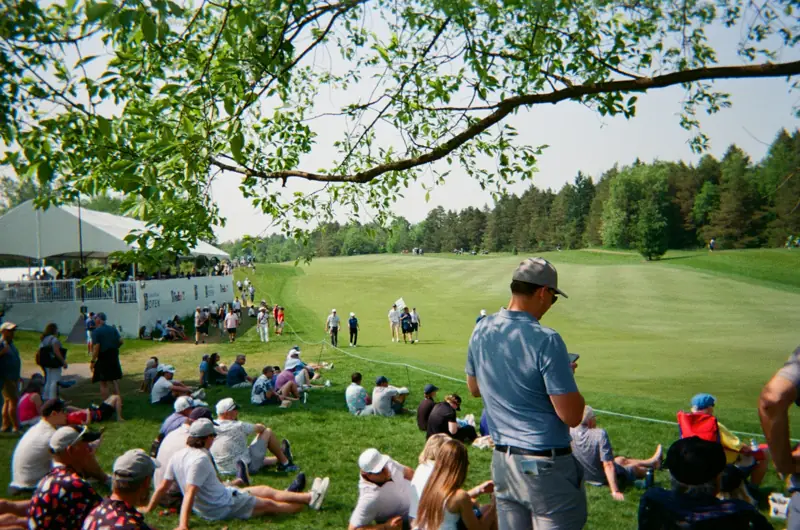
Spectators watching golfers at a tournament

Tournaments, outings & events

Producing charity outings, corporate tournaments, amateur tours, long-drive and putting competitions, and golf festivals.

Business model:
Entry fees, sponsorships, hospitality packages, media and production fees.
General capital range:
Roughly $25K–$1M depending on scale; working capital and sponsor relationships matter most.
Fit:
Active · Owner-operator — Relationship-driven and active; investors can back a proven producer.
Charity and corporate outingsAmateur tours and leaguesGolf festivals and fan events
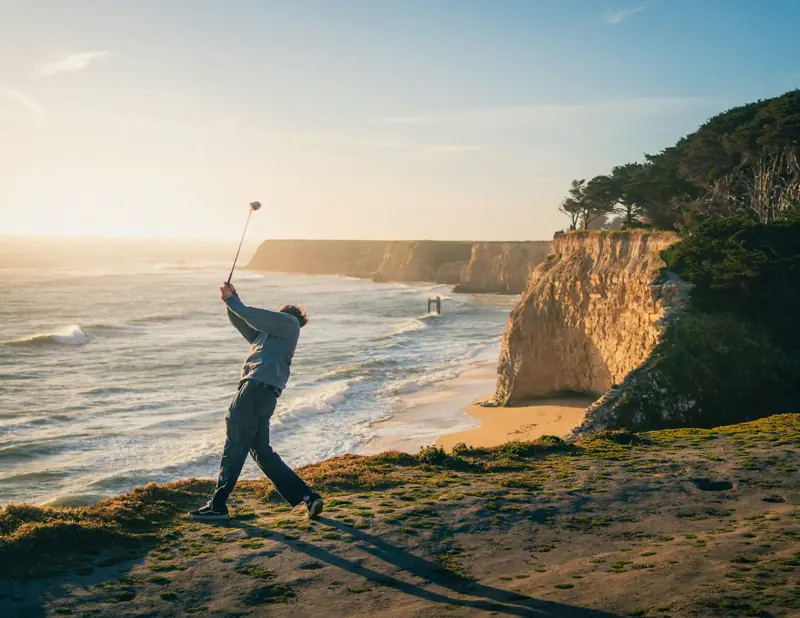
A golfer swinging on a beach course

Golf travel & stay-and-play

Golf trip planning, stay-and-play packages, buddy-trip lodging near courses, and destination golf experiences.

Business model:
Package margins, booking commissions, lodging revenue and group travel fees.
General capital range:
Roughly $25K–$500K for a travel company; lodging near courses is a real-estate play with larger capital.
Fit:
Active · Semi-passive · Passive — Travel planning is active; golf lodging can be semi-passive with property management.
Buddy-trip packagesGolf cottages and villasDestination tour operators
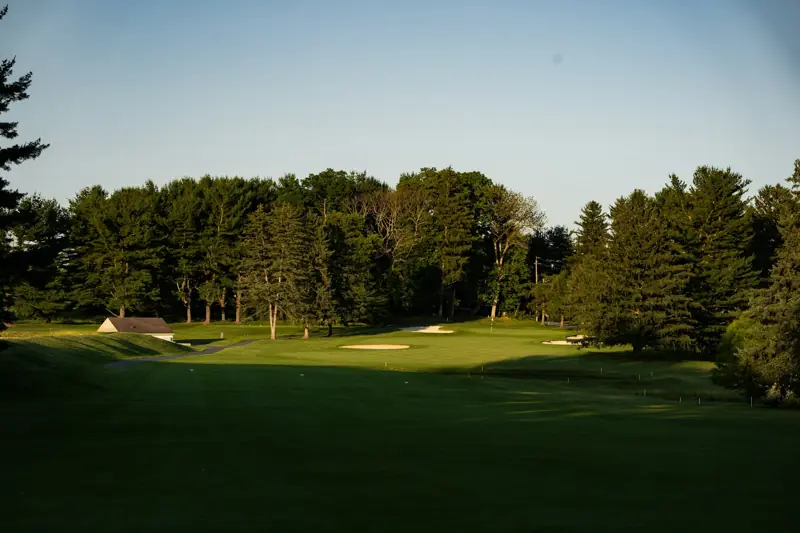
A golf course bordered by trees and a house

Golf-community real estate

Homes, lots and short-term rentals on or near courses, course-redevelopment land plays, and golf-community development.

Business model:
Rental income, appreciation, lot sales, development fees and HOA-supported amenities.
General capital range:
Roughly $300K for a single property to $50M+ for community development.
Fit:
Passive · Semi-passive · Active — Single properties are semi-passive with management; development is active or a passive LP stake.
Fairway homes and rentalsGolf-community developmentCourse redevelopment and repositioning

Get the full Own the Game Guide

Every vertical in depth — concept, business model, general capital ranges, passive vs. active fit and the risks to weigh — with a short questionnaire so we can match you with partners.

Get the guide →

Answers

Own the Game — questions & answers

What is Own the Game?

Own the Game is a guide and introduction service for people who want to invest in, buy, partner in or joint-venture a business in the golf industry — courses, ranges, simulators, golf cafés, turf and sod, course maintenance, robotic mowing, golf technology, carts, events, travel, real estate and more.

How do I get the Own the Game Guide?

Fill in the short form on golfores.com/own-the-game, confirm your mobile number with the 6-digit code we text you, and the guide opens right away. We also email you the link.

Do I need golf-industry experience to invest?

No. Many opportunities are passive — you provide capital and an experienced operator runs the business. Others suit owner-operators who want to work in the business.

What is the difference between passive and active investment?

A passive investor provides capital and does not run day-to-day operations. An active investor or owner-operator works in the business — managing staff, customers and growth.

How much capital do golf businesses require?

It ranges widely: from tens of thousands for instruction, events or apparel, to hundreds of thousands for simulator studios and fitting shops, to millions for courses, sod farms and entertainment venues. The guide lists general industry ranges for each vertical.

Is this an offer to sell securities?

No. Own the Game is educational information and an introduction service. It is not an offer of securities, a franchise offering, or investment advice.

Not an offer of securities. Own the Game is educational information about types of businesses in and around the golf industry. Nothing here is an offer to sell, or a solicitation of an offer to buy, any security, franchise or business, and nothing here is investment, legal or tax advice. Capital ranges are broad, general industry ranges for orientation only — actual costs vary widely. Any opportunity is subject to its own documents, due diligence and applicable law. Consult your own licensed advisors. Photos: royalty-free (Unsplash License), see photo credits.

Own the Game

Invest, buy, partner or JV in golf.

We have partners and dozens of verticals looking for investors, owners and operators — courses, ranges, simulators, golf cafés, turf, robotic mowing, golf tech and more.

Get the Own the Game Guide →

Free guide · Not an offer of securities

Your next step

You don’t have to figure it out alone.

Tell us what you’re looking for and we’ll connect you with golf venues and resources that fit — privately, at your pace.

Own the Game · Get the free guide →